

20’
2016
Book texts, photos, world map, red line, pins, and cassette tape
Stereo sound
文本,照片,世界地圖,紅線,圖釘和盒式錄音磁帶機錄音
二十分鐘
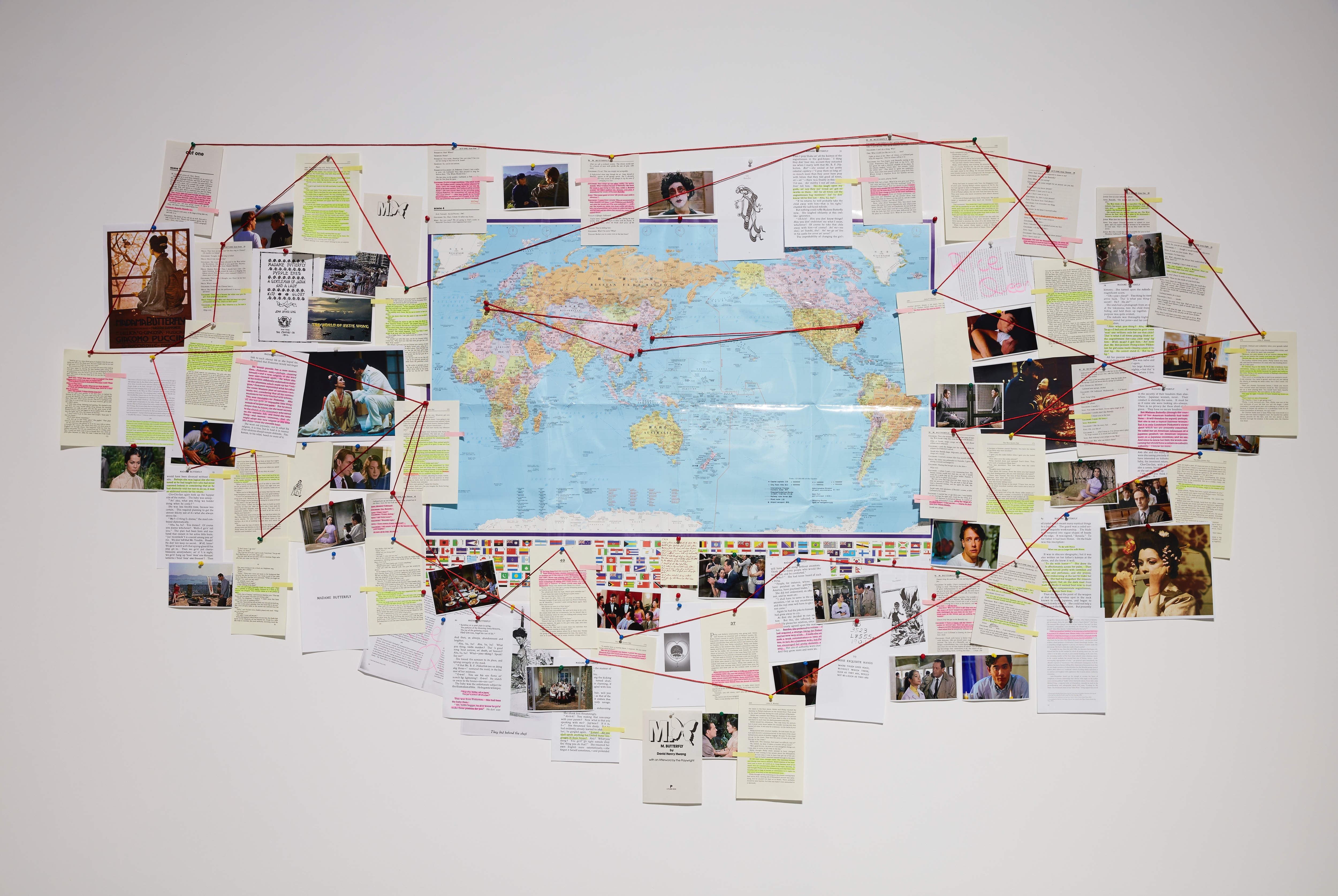
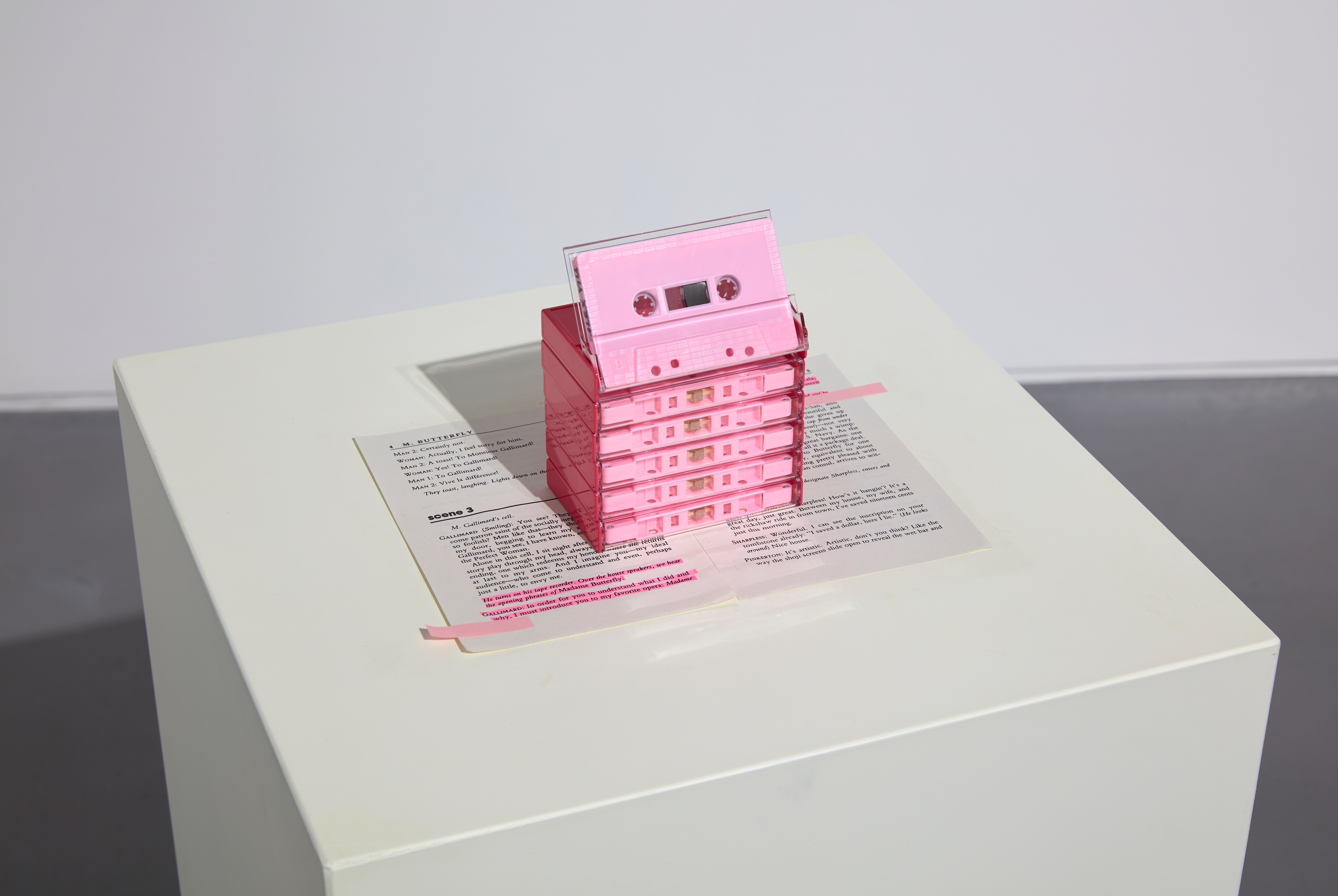
Song to Daphnis (2016) is a 20-minute sound work presented as a mixed-media installation comprising book texts, photographs, film screencaptures, a world map marked with a red line and pins, and a cassette tape player. The audio is structured as a narrated audiobook with stereo sound, in which my own voice tells a semi-fictionalised account of a relationship I had in London in the summer of 2015 with a man I call Mr. K — a self-identified rice queen, meaning a non-Asian man with an exclusive attraction to Asian men.
The audio does not consist of a single authored voice. It is a collage assembled from several distinct registers and sources: my own autobiographical narration, passages lifted and reworked from three novellas — John Luther Long's Madame Butterfly, Richard Mason's The World of Suzie Wong, and John F. Rooney's The Rice Queen Spy — fragments of real text messages, and the translated text of the aria “Un bel di, vedremo” from Puccini's opera Madama Butterfly. The work opens with Shakespeare's Sonnet 119, which frames the entire piece: a poem about love that ruins and then reconstitutes itself into something stronger. Throughout the twenty minutes, Puccini's Madama Butterfly plays as a continuous underscore threading through each section. This is not incidental background music. Madama Butterfly is one of the most beautiful and most violently Orientalist works in the Western operatic canon — a story in which a Japanese woman waits faithfully for an American man who will not return in the way she imagines, and destroys herself in the process. By placing my own queer East Asian story of waiting, attachment, and departure directly on top of that operatic machinery, the piece refuses to let the Orientalist narrative play undisturbed.
The three novellas share a single structural feature: they are all stories of interracial desire written from a Western perspective, in which the Asian figure functions as the object of longing rather than its subject. By borrowing their language and folding it into my own narration, I do not simply critique these texts from the outside. Instead, I allow their language to contaminate my story and my story to contaminate theirs, until neither remains intact. The most direct political moment in the audio occurs in my own voice. I name the dynamic explicitly: “that being a rice queen is a holdover from colonialism, that the rice queen is always the master who makes and enforces the rules.” Rather than waiting for the desire to account for itself, I perform the analysis from inside the experience — speaking as the person who has been objectified, over the very operatic machinery that historically performed that objectification on his behalf.
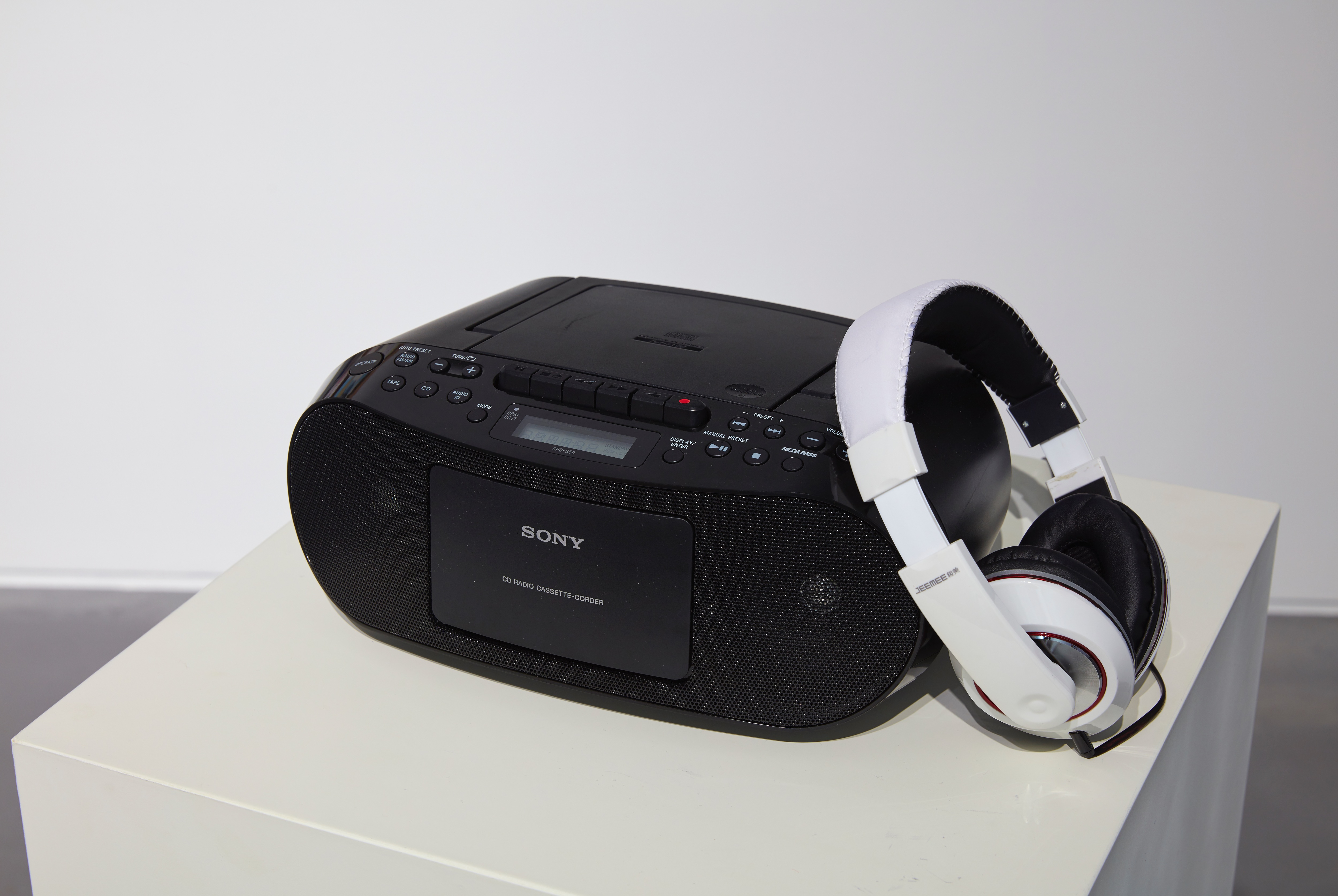
The physical installation maps this entanglement onto space. Photographs and film screencaptures are pinned directly to the wall alongside the world map, its red line tracing the geography of the relationship — Hong Kong, London, Japan — rendering the personal as cartographic and the cartographic as intimate. The three films cited visually — Richard Quine's The World of Suzie Wong (1960), David Cronenberg's M. Butterfly (1993), and Ang Lee's The Wedding Banquet《囍宴》(1993) — expand the scope of the collage: where the novellas are predominantly Western-authored narratives of interracial desire, Ang Lee's film introduces the specifically Chinese queer diasporic experience, and Cronenberg's M. Butterfly — adapted from David Henry Hwang's play — is itself already a deconstruction of Madama Butterfly from an East Asian perspective, making it the one source in the installation that enacts the same critique rather than serving as its target. The cassette player is both the source of the audio and a material object: analogue, bodily, prone to degradation, scaled to a single voice. Against the flattened imperial surface of the world map, it holds the irreducible specificity of one person's breath and hesitation.
The dual titles frame the work inside two traditions of speaking about queer desire through indirection. The Chinese title 子不語 (Zibuyu — "What the Master Would Not Discuss") quotes Confucius's deliberate silence on the transgressive, later reclaimed by the Qing Dynasty author Yuan Mei as the title of a collection of supernatural stories that includes the myth of the Leveret Spirit, who governs love between men. The English title Song to Daphnis references the Ancient Greek figure of Pan teaching Daphnis to play the panpipes — an exchange of musical instruction that encodes erotic transmission between an older and a younger figure. Both titles speak about what cannot be spoken directly. The work attempts to speak it anyway, through borrowed voices, because at the time of making, I did not yet have the language of my own.
Song to Daphnis《子不語之歌》(2016)
《子不語之歌》Song to Daphnis (2016) 是一件時長二十分鐘的聲音裝置作品,由文本、照片、電影截圖、一張標有紅線和圖釘的世界地圖,以及一部盒式錄音磁帶機組成。錄音以有聲書的形式呈現,配以立體聲音效,以我自己的聲音講述一段發生於2015年夏天倫敦的半虛構關係——對象是一個我稱之為K先生的人,他是一位自稱的「米皇后」(rice queen),即對亞洲男性有專一吸引力的非亞裔男性。
錄音並非由單一的作者聲音構成,而是一個由多種不同聲音和文本拼湊而成的混合體:我的自傳式旁白、從三本小說中借取和改寫的段落——約翰・路德・朗 (John Luther Long) 的《蝴蝶夫人》、李察・梅臣 (Richard Mason) 的《蘇絲黃的世界》以及約翰・F・朗尼 (John F. Rooney) 的《米皇后間諜》(The Rice Queen Spy)——真實短訊的片段,以及普契尼歌劇《蝴蝶夫人》詠嘆調《晴朗的一天》(Un bel di, vedremo) 的歌詞譯文。作品以莎士比亞第119首十四行詩開場,為整件作品定下框架:一首關於愛在毀滅後重新建立、並因此變得更為深厚的詩。在二十分鐘裡,普契尼的《蝴蝶夫人》以持續的底層音樂穿梭其中。這並非偶然的背景音樂。《蝴蝶夫人》是西方歌劇史上最美麗、同時也是最充滿東方主義暴力的作品之一——一個日本女人忠實地等待一個不會以她所想像的方式回來的美國男人,最終走向自我毀滅的故事。將我自身作為酷兒東亞人關於等待、依戀與離別的故事,直接疊置在這套歌劇機制之上,是對這套東方主義敘事的一種拒絕,不讓它安然運作。
這三本小說有一個共同的結構特徵:它們都是從西方視角書寫的跨族裔欲望故事,亞裔角色在其中充當渴望的客體,而非主體。借取它們的語言並將之編織入我自己的旁白,並非從外部批判這些文本,而是讓它們的語言污染我的故事、讓我的故事污染它們,直到兩者都不再完整。錄音中最直接的政治時刻出現在我自己的聲音裡。我明確地點名這種動態關係:做一個米皇后是殖民主義的遺存,米皇后永遠是制定和執行規則的一方,因此無法自稱受害者。我沒有等待欲望自行為自己作出交代,而是從經歷的內部進行分析——以一個曾被客體化的人的聲音,覆蓋在那套歷史上代他說話、代他被客體化的歌劇機制之上。
這件裝置的實體部分將這種糾纏映射到空間之中。照片和電影截圖直接釘在牆上,旁邊是那張世界地圖,紅線勾勒出這段關係的地理輪廓——香港、倫敦、日本——將私人的化為地圖式的,將地圖式的化為私密的。視覺上引用的三部電影——李察・昆尼 (Richard Quine) 的《蘇絲黃的世界》(1960)、大衛・柯能堡 (David Cronenberg) 的《蝴蝶君》M. Butterfly (1993),以及李安的《囍宴》The Wedding Banquet (1993)——擴展了拼貼的範圍:小說主要是西方視角下的跨族裔欲望敘事,而李安的電影引入了華人酷兒離散的具體經驗,柯能堡的《蝴蝶君》——改編自黃哲倫 (David Henry Hwang) 的舞台劇——本身已是從東亞視角對《蝴蝶夫人》的解構,使它成為裝置中唯一一個本身已在執行同一批判、而非作為批判對象的來源文本。盒式錄音磁帶機既是聲音的來源,也是一件物質對象:類比的、身體性的、容易降解的,以一把聲音的尺度製造。在那張被壓平的帝國地圖表面前,它保存著一個人的呼吸與猶豫,無可替代。
兩個標題將作品置於兩種以迂迴方式言說酷兒欲望的傳統之中。中文標題《子不語》取自《論語》孔子對越軌之事的刻意沉默,後被清代袁枚借題,著有《子不語》一書,當中收錄《兔兒神》等篇,記載掌管男男之情的神祇。英文標題《Song to Daphnis》取自古希臘神話中牧神潘(Pan)教授達菲尼斯(Daphnis)吹排笛的意象——一段以音樂教學為媒介的情慾傳遞。兩個標題都在說一些無法直接言說的事。這件作品嘗試用借來的聲音把它說出來,因為在創作的當下,我還沒有找到屬於自己的語言。
This is my home (2016) from Alex Yiu on Vimeo.
This is My Home
2016
Single channel video and stereo sound
This Is My Home (2016) is a single-channel video with stereo sound, built from archival footage of Queen Elizabeth II's arrival in Hong Kong on 21 October 1986. The work processes this footage through an algorithmic composition that reads the image data itself — the movement of bodies, the colour values of pixels, the original audio — as the generative input for its own transformation. The footage periodically flattens into hard-edged blocks of primary colour, collapses into black and white over the original, and the audio is drawn out into a sustained reverb that refuses to let the occasion end. The main song of the event, "This Is My Home"《這是我家》 written by James Wong (黃霑), was a sincere expression of local belonging performed for the departing colonial power. Thirty years later, processed through its own image data until the figurative content dissolves and only fragments of the lyrics survive, it describes not just an unfamiliar land but a sincerity that can no longer be located.
《這是我家》
2016
單頻錄像及立體聲
《這是我家》This Is My Home (2016) 是一件單頻道錄像及立體聲作品,取材自1986年10月21日英女王伊利沙伯二世訪港的原始影像。這件作品透過一套演算法作曲機制處理這段影像素材——以畫面本身的數據作為生成轉化的輸入來源,包括人體的動態、像素的色彩數值,以及原有的音效。影像在處理過程中週期性地瓦解為硬邊的原色方塊,令人聯想到風格派(De Stijl)的抽象構圖,並間歇性地在原有彩色影像之上坍塌為黑白;與此同時,音效被拉長延伸為殘響,令那個場合的聲音拒絕就此結束。當日活動的主題曲《這是我家》由黃霑填詞,是一首以全然真誠的姿態獻給即將離港的殖民宗主國的本土歸屬之歌。三十年後,這段影像的具象內容——人群、儀式、女王——在被自身的圖像數據消化處理後逐漸瓦解,僅剩歌詞的零碎片段得以留存。倖存下來的,已不只是對一片陌生土地的描述,而是對一種再也無法被定位的真誠情感的記錄。

Soramimi
12'41"
2015
Video with stereo sound
“Soramimi" is a Japanese term that literally means “mishearing”, while it is a phenomenon that the audience “mishears” a song lyric of other languages and interprets it into a homophonic translation of their languages. Similar phenomenons have occurred in other languages, like “Agathe Bauer” in German and “Mama Applesap” in Dutch. As my work is also called “Soramimi”, which I borrow the term from its original meaning, focus on its homophonic translation as an expression of utterance, I try to examine the wordplay in a spoken form. Therefore, I present my work in a video form that all linguistic materials were all generated through a workshop held by myself with the participants at Goldsmiths, University of London. Instead of presenting my work in a purely written form, it is an examination of the historical aspect of sound poetry and wordplay in an interrelated perspective.
The video are divided into five sections, each section is based on different homophonic translations of one sentence spoken by the participants. Every time the sentence is accompanied by the subtitle of its literal translation, but the speaking is looped and concluded with all the homophonic translations by playing all once time at the end. The homophonic translation focuses on its sonic aspect instead of being literal and semiotical, while the outcome sounds like gibberish, the vocality of the language is preserved and the phones of the language are translated.
「Soramimi」(空耳)是日語詞彙,字面意思為「聽錯」,意指聽眾將外語歌詞「誤聽」,並將其詮釋為母語中發音相似(諧音)語句的現象。類似現象亦見於其他語言,例如德語中的「Agathe Bauer」及荷蘭語中的「Mama Applesap」。我的作品同樣題為《Soramimi》(空耳),借用了該詞的原意,聚焦於其作為發聲表達(utterance)的諧音翻譯特性,試圖檢視口語形式中的文字遊戲。因此,我以錄像形式呈現作品,當中所有語言素材均產自我在倫敦大學金匠學院與參與者共同舉辦的一場工作坊。這並非純粹的文字展示,而是以相互關聯的視角,審視聲音詩(sound poetry)與文字遊戲的歷史面向。
錄像分為五個章節,每章皆基於參與者所說的一句話及其不同的諧音翻譯。每當句子出現時,都會附上其字面翻譯的字幕,但語音會不斷循環,並在結尾處將所有諧音翻譯同時播放作結。這種諧音翻譯側重於聲音層面,而非字面或符號學意義;儘管產出的結果聽似胡言亂語(gibberish),但語言的聲樂性(vocality)得以保留,語言中的音素(phones)亦由此被轉譯。
Acknowledgement
Wonki Baek (Korean)
Kristy Zhang (Mandarin)
Dana Eitches (English/French)
Ursula Nolden (German)
Goldsmiths, University of London


Soramimi (空耳)
錄象,廿二張便條貼
“Soramimi”(空耳)源自日文,本來的意思為「幻聽」,後來更引伸致歌曲的聽眾,聆聽外語歌曲時,以另自身語言的諧音,音譯並惡搞,產生出新的意義(又或者是毫無意義的廢話)。除了在日本,類似的概念也存在於其他文化,例如德文的”Agathe Bauer”和荷蘭語的”Mama Applesap”。在我的作品裡,我從原本概念裡借用了這個詞語,來集中將音譯轉化成為說話方式的表達。為了將這種文字遊戲以語音的形式表達,我在倫敦大學金匠學院舉行了一個小型的工作坊,並將工作坊裡透過討論產生出來的語言結果,用錄象呈現出來。在這件作品裡,文字的呈現實為其次,因為我希望從中探索文字遊戲和語音的關係。
錄象主要分開五部分,每一部分均建立於一個句子,並以不同語言的音譯展示出來。每一次句子都會附上字幕,以展示該句子英文的直譯,但句子每次均以重重複複的方式播放出來,並最後播放各種語言的音譯作總結。在這件作品裡,主要集中在探索語言通過音譯後,所產生出其聲音的變化,因為文本的意思基本上是缺失了。而音譯出來的內容恍如空廢的內容一樣,唯有聲音的特質被保留和轉化。
嗚謝
Wonki Baek (Korean)
Kristy Zhang (Mandarin)
Dana Eitches (English/French)
Ursula Nolden (German)
倫敦大學金匠學院 (Goldsmiths, University of London)
Study No. 1 (2015) from Alex Yiu on Vimeo.
Study No. 2 (2015) from Alex Yiu on Vimeo.
Study No. 3 (2015) from Alex Yiu on Vimeo.
Study No. 4 (2015) from Alex Yiu on Vimeo.
Studies No. 1-4
2015
Four channels video
Studies No. 1-4 (2015) is a four-channel video installation that treats the repetitive churn of a washing machine as a visual étude. The project was created through recursive re-photography: a time-lapse video of a spin cycle was played on a monitor, and a camera was used to record that playback. This process was repeated sequentially, with each new recording capturing the previous one. Over four generations, the friction between the camera’s shutter and the screen’s refresh rate slowly suffocates the visual data, degrading the heavy, wet reality of the appliance until the final image collapses into pure darkness.
In the gallery, these four videos are displayed on individual LCD TVs arranged in an ascending physical staircase. The lowest screen plays the initial footage, while each subsequent step upward displays the next, more degraded generation. As the viewer's gaze climbs the stairs, the image progressively dies, turning the physical act of looking into an unglamorous documentation of exhaustion and passing time.
《Studies No. 1-4》(2015)
《Studies No. 1-4》(2015) 是一件四頻道錄像裝置,將洗衣機不斷重複的轉動視為一場視覺上的練習曲(étude)。作品透過重複的翻拍機制(recursive re-photography)生成:先在屏幕播放洗衣機脫水過程的縮時錄像,再以攝影機拍攝屏幕上的畫面。這個步驟被依次重複,每一次都記錄著上一代的影像。經過四次翻拍,攝影機快門與屏幕更新率之間的干擾逐漸消耗了畫面的視覺資訊,將洗衣機原有的物理質感逐步降解,直到最後的影像完全陷入黑暗。
在展場中,這四段錄像分別於四部 LCD 電視上播放,電視排列成一道階梯。最底層的屏幕播放第一代影像,隨後往上的每一層,都顯示下一代降解程度更高的畫面。當觀眾的視線順著階梯往上移動,影像也隨之逐步瓦解。這種物理上的觀看過程,實質上成為了一份對消耗與時間流逝的平實紀錄。


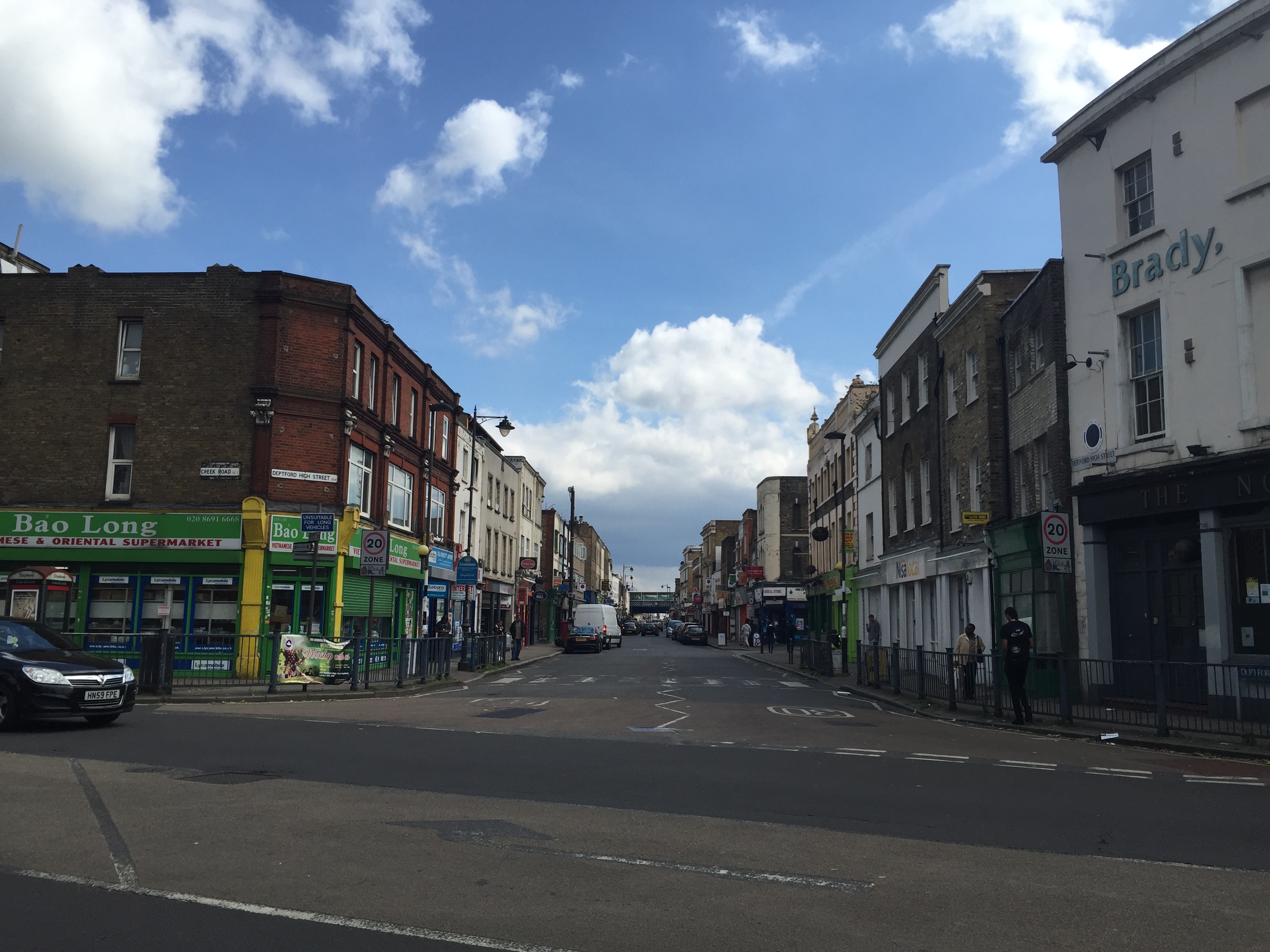
Deptford High Street from the North, taken on 13 June, 2015
I Am Living in Deptford (2015)
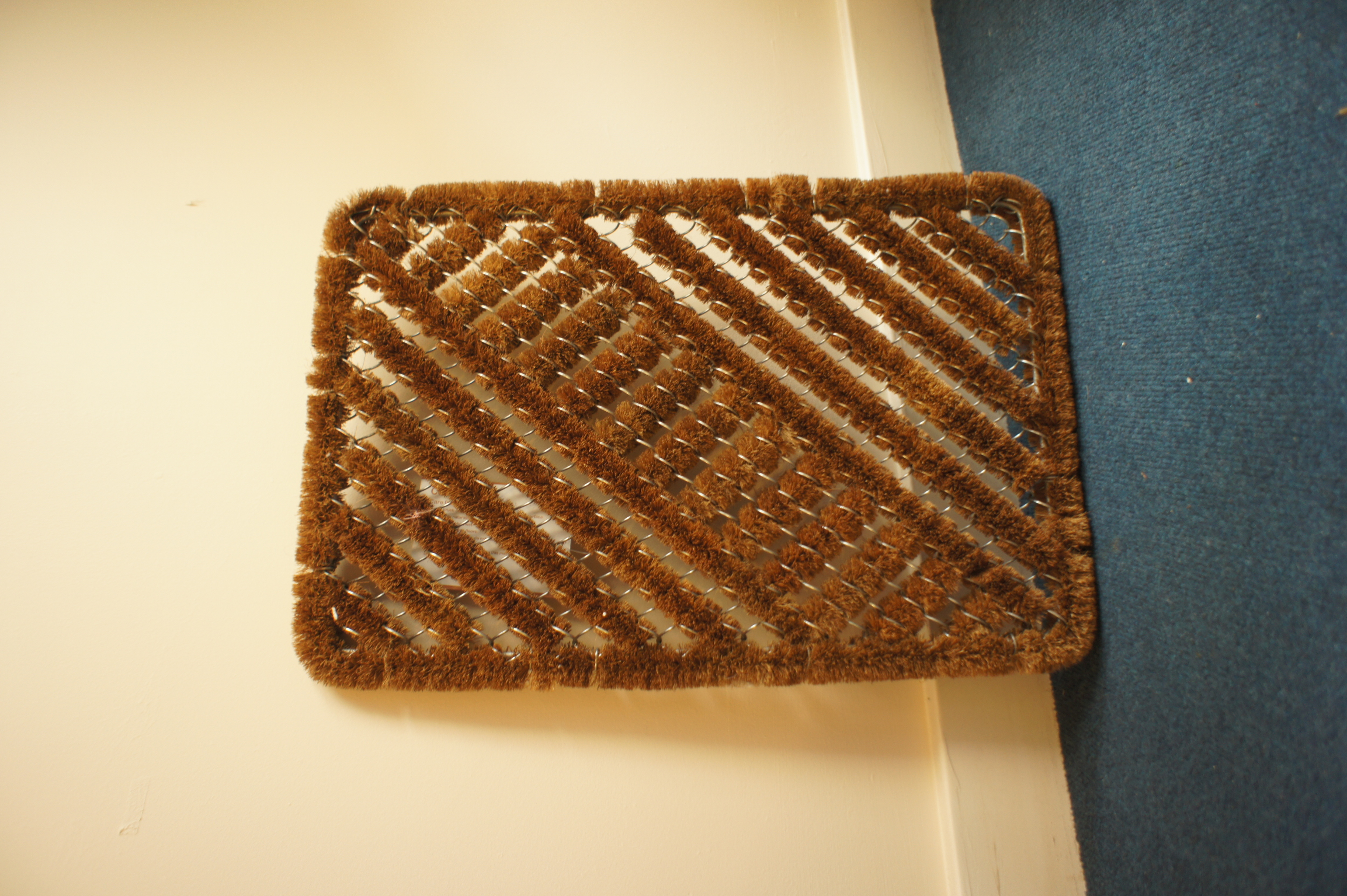
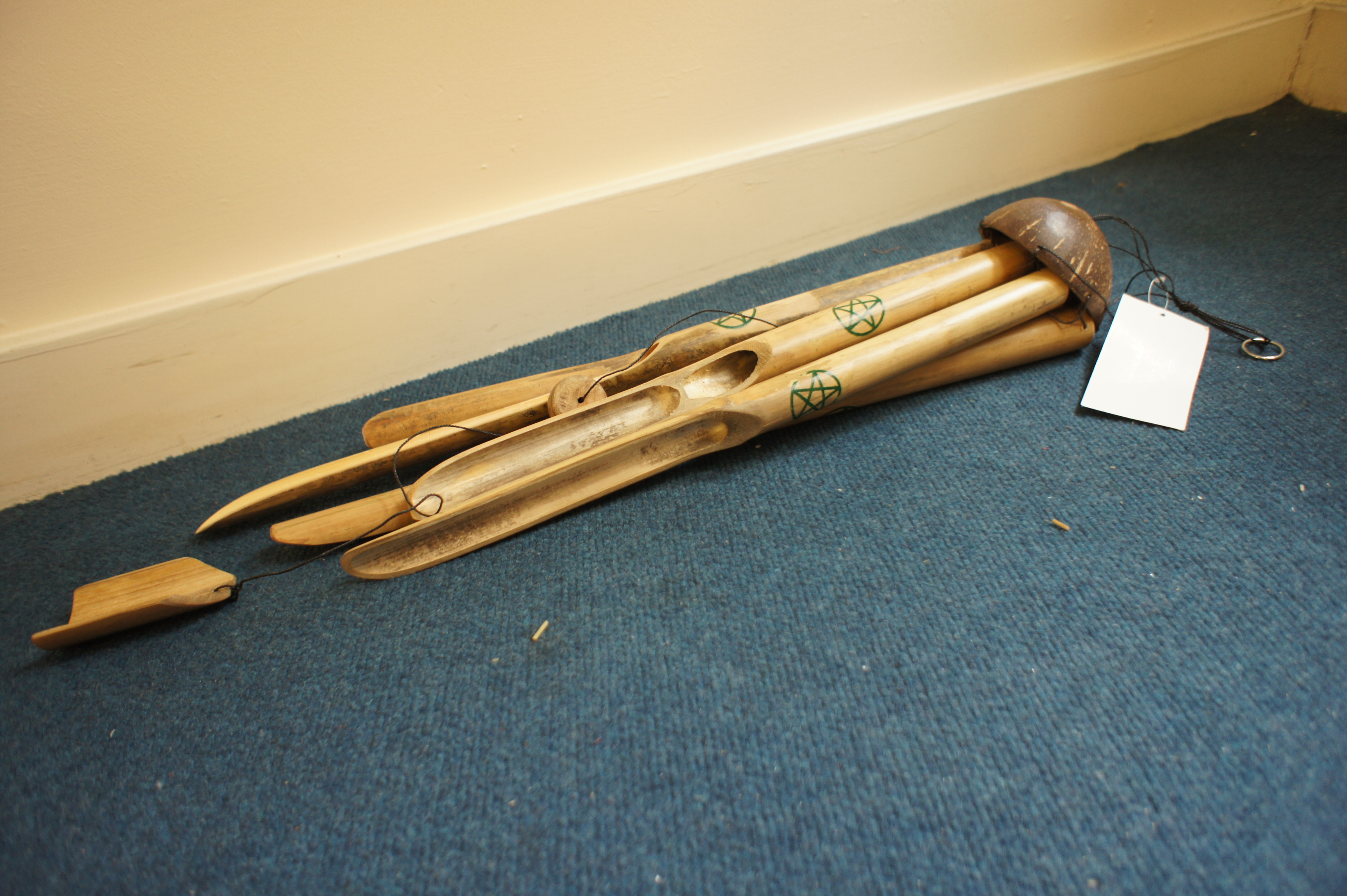
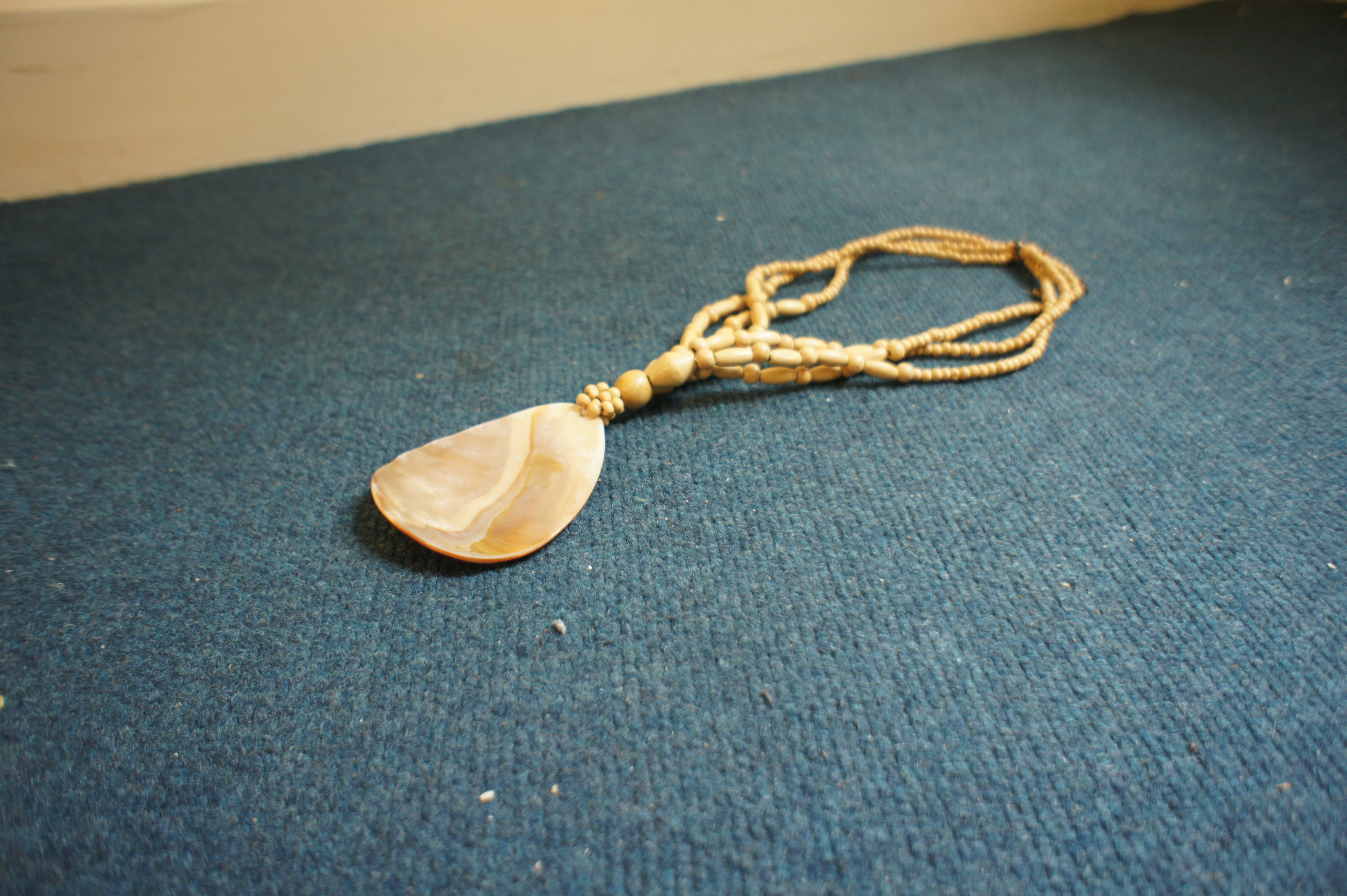
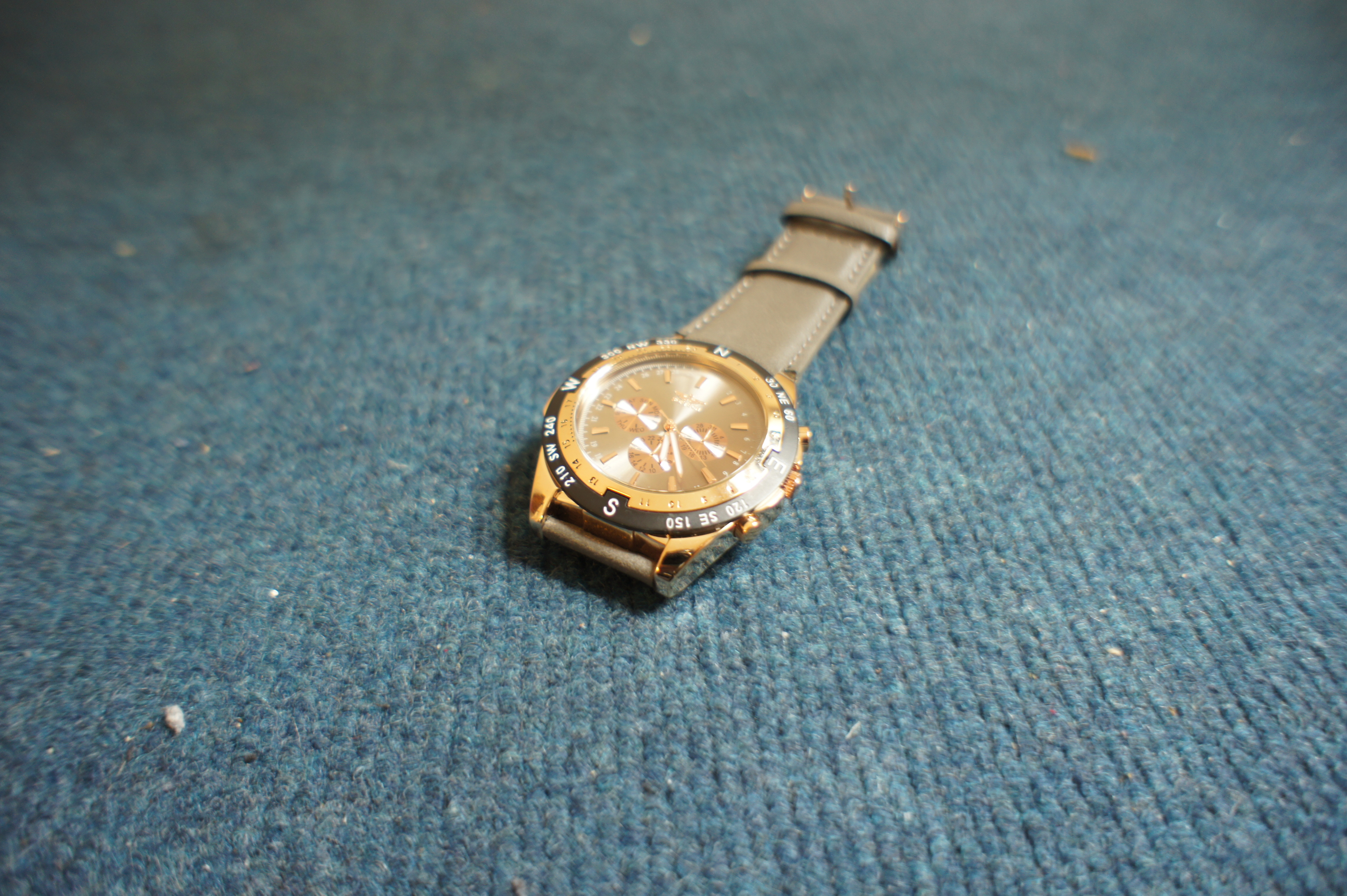
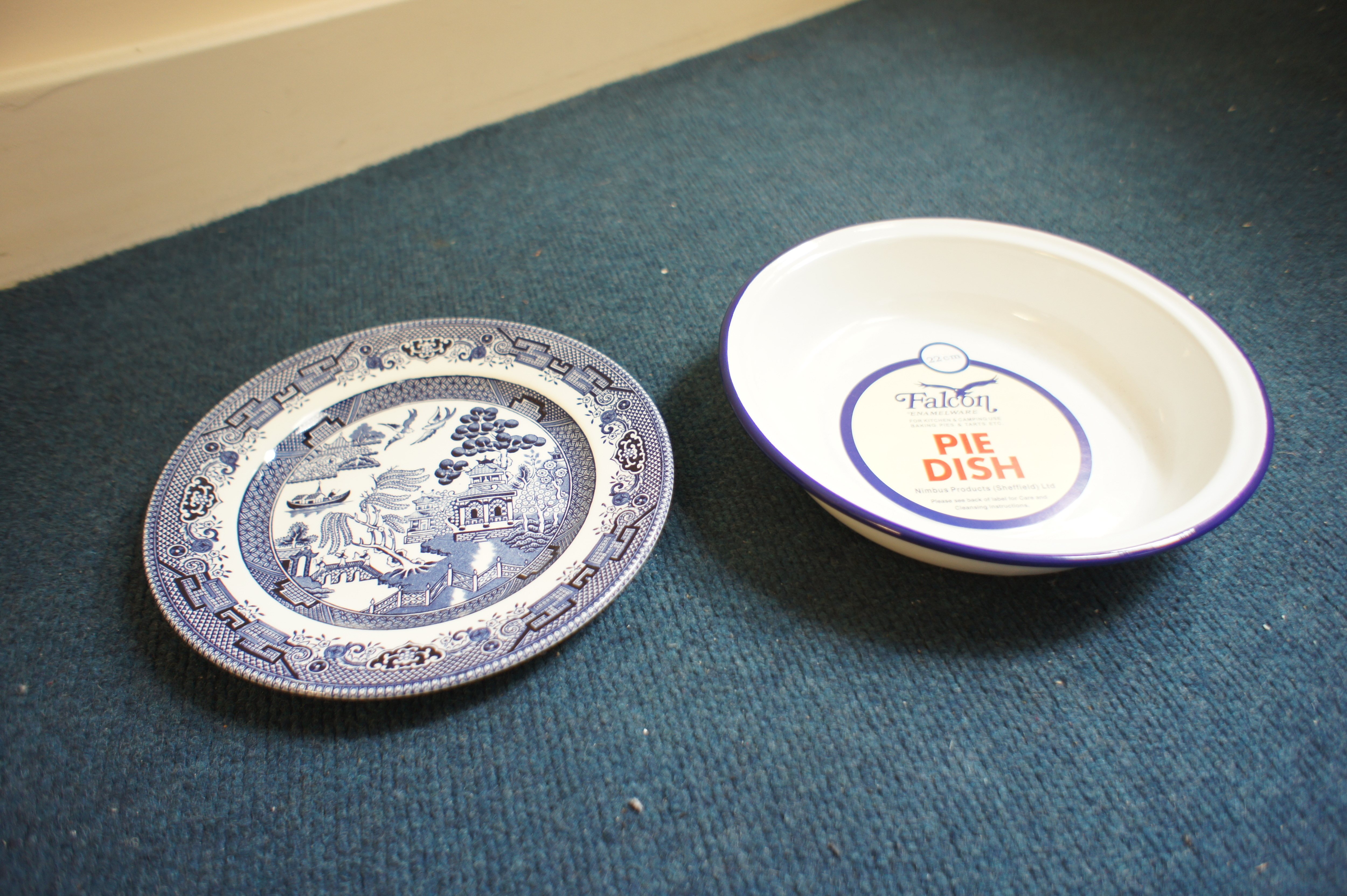
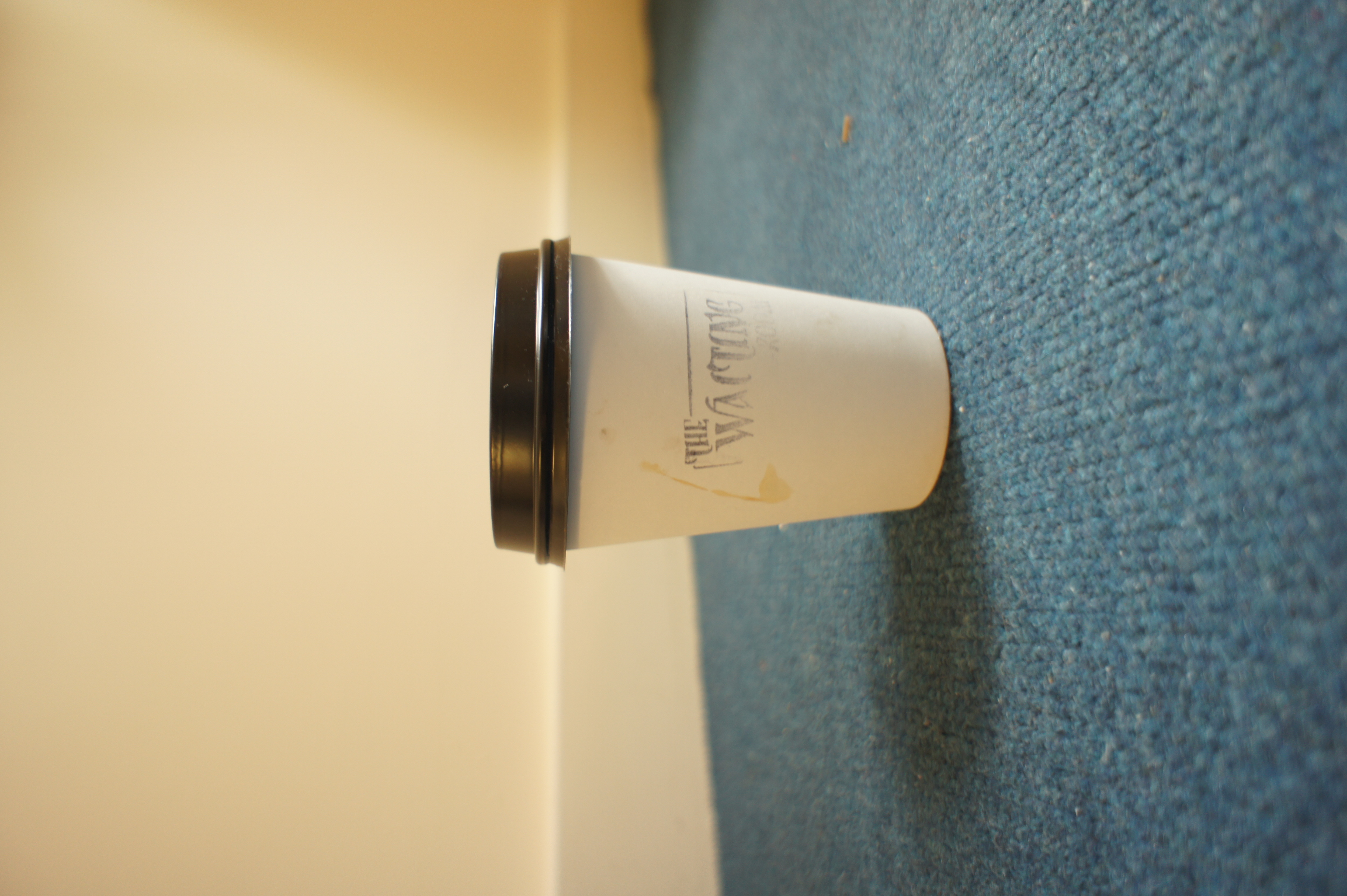
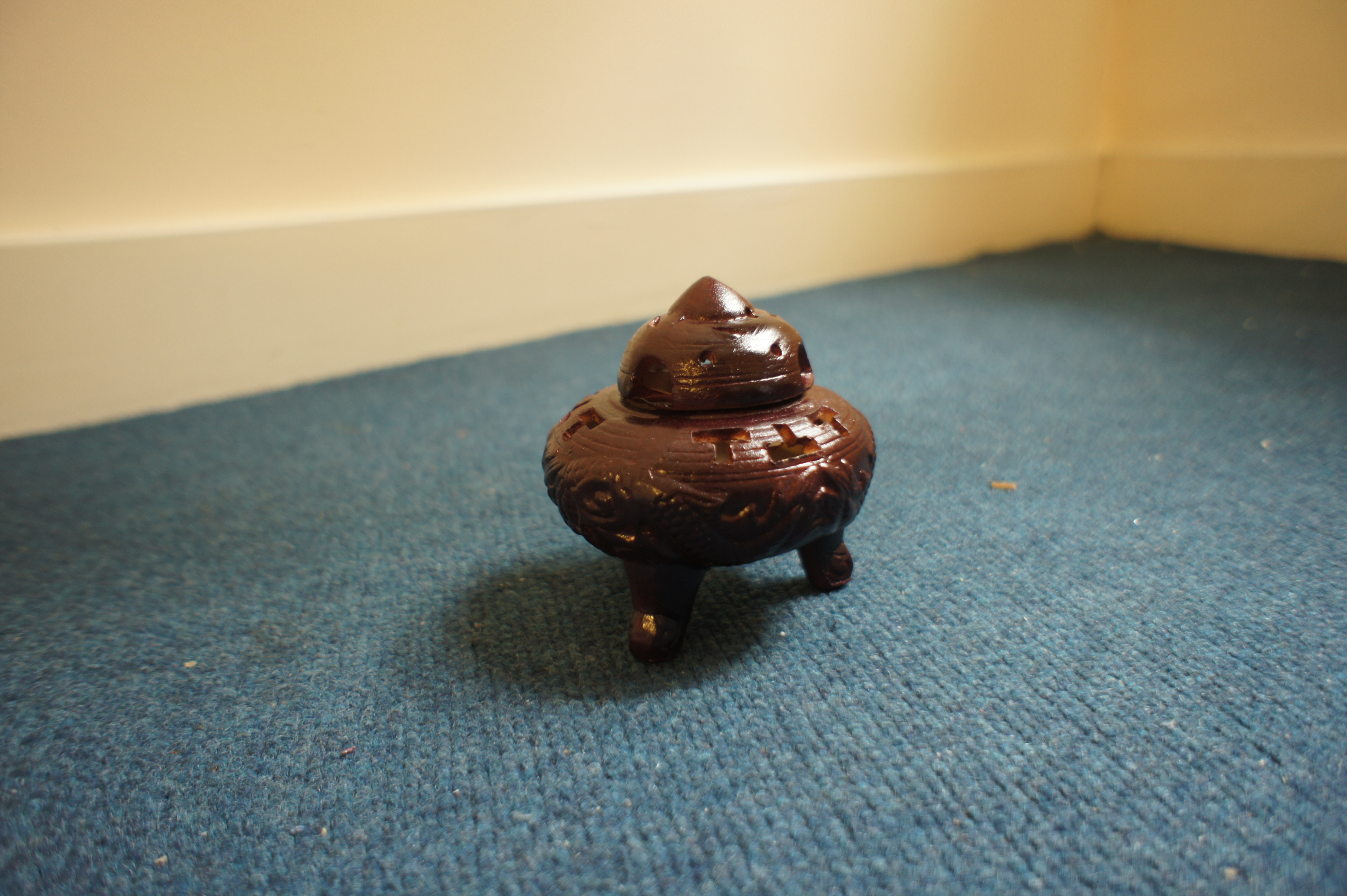
I Am Living in Deptford (2015) is a collection of field recordings made during a soundwalk along Deptford High Street, South East London, on 13 June 2015. Working from the tradition of the objet trouvé, the artist walked the street with a binaural microphone, purchasing eight objects from local shops. Each field recording is paired with the object acquired at that exact location and moment — the recording functioning as the acoustic certificate of the finding, fixing the object's origin in sound rather than in memory.
Deptford High Street in 2015 was one of South East London's most ethnically layered street markets, shaped by successive waves of West African, Caribbean, Vietnamese, and Chinese diasporic settlement. The objects reflect this compressed cultural geography: a bamboo wind chime decorated with green pentagonal stars, evoking simultaneously East Asian craft and Caribbean iconography; a Falcon pie dish of unmistakably British domestic character; a willow pattern dish — a British-manufactured aesthetic fiction of Chinese visual culture in mass production since the 18th century; an incense pot; a seashell necklace; a mat; a coffee; and a set of counterfeit watches. Each object, before the recording is paired with it, is already a small archive of colonial trade routes, cultural mixing, and diasporic improvisation along a single South East London street.
I Am Living in Deptford (2015) 是一組田野錄音作品,於2015年6月13日在南倫敦德普特福德高街進行聲音漫步期間錄製而成。藝術家從現成物(objet trouvé)的傳統出發,帶著雙耳錄音麥克風步行於街道之上,沿途在各家店舖購入八件物品。每段田野錄音與在該確切地點和時刻購得的物品相互配對——錄音作為「發現」這件物品的聲音憑證,將其來源固定於聲音之中,而非記憶之中。
2015年的德普特福德高街,是南倫敦族裔文化層次最為豐富的露天市集之一,由西非、加勒比海、越南及華人移民社群歷經數代定居所塑造。這些物品映照出這種壓縮的文化地理:一支以綠色五角星裝飾的竹風鈴,同時喚起東亞竹製工藝傳統與加勒比海圖像符號;一個帶著毫無疑問英式家居氣息的Falcon烤盤;一個柳樹圖案的碟子——自18世紀起大量生產、英國製造業對中國視覺文化的美學虛構;一個香爐、一條貝殼頸鏈、一張墊子、一杯咖啡,以及一套仿製手錶。每件物品在與錄音配對之前,已然是一份記錄殖民貿易路線、文化混融與移民就地求存的微型檔案,濃縮於南倫敦的一條街道之上。