I am counting my days on and on (2015) from Alex Yiu on Vimeo.
I am counting my days on and on is a work that combines the use of language and MaxMSP application. I applied different voice samples into a patch which the interface is designed for TouchOSC, a modular OSC and MIDI control surface for the mobile device. Therefore, this application allows the user to control though using TouchOSC. The application is basically a sampler, its buttons trigger the playback of the sound, and toggles and faders cause events and changes the properties of the sound.
The idea behind the use of language is a realisation of sound poetry. Human communicates through language. Our complex vocal organs formalise our thought into muscle contraction, which control the airflow on and off from the lungs. When the listener’s ears receive the vibration through the air, it immediately transforms the vibration into brain signal by the resonance coming from the eardrums to a series of signal transformation. Besides feeling the voice as a pure sensual phenomenon, we also “decode” the voice into meanings, and it also converts into emotional feeling that some- times words fail to conceive. Otherwise, the act of sampling has been the main component of this piece. As in the practice of Pierre Schaeffer’s musique concrète, “there is no difference between the cut bell and the piece of a train: they are “sound fragments.” As long as I sampled my own voice and different found sounds in my archive, the main components are me speaking the numbers in Cantonese. Since Cantonese is a tonal language, the numbers are a perfect example of demonstrating of variant tones in the language.
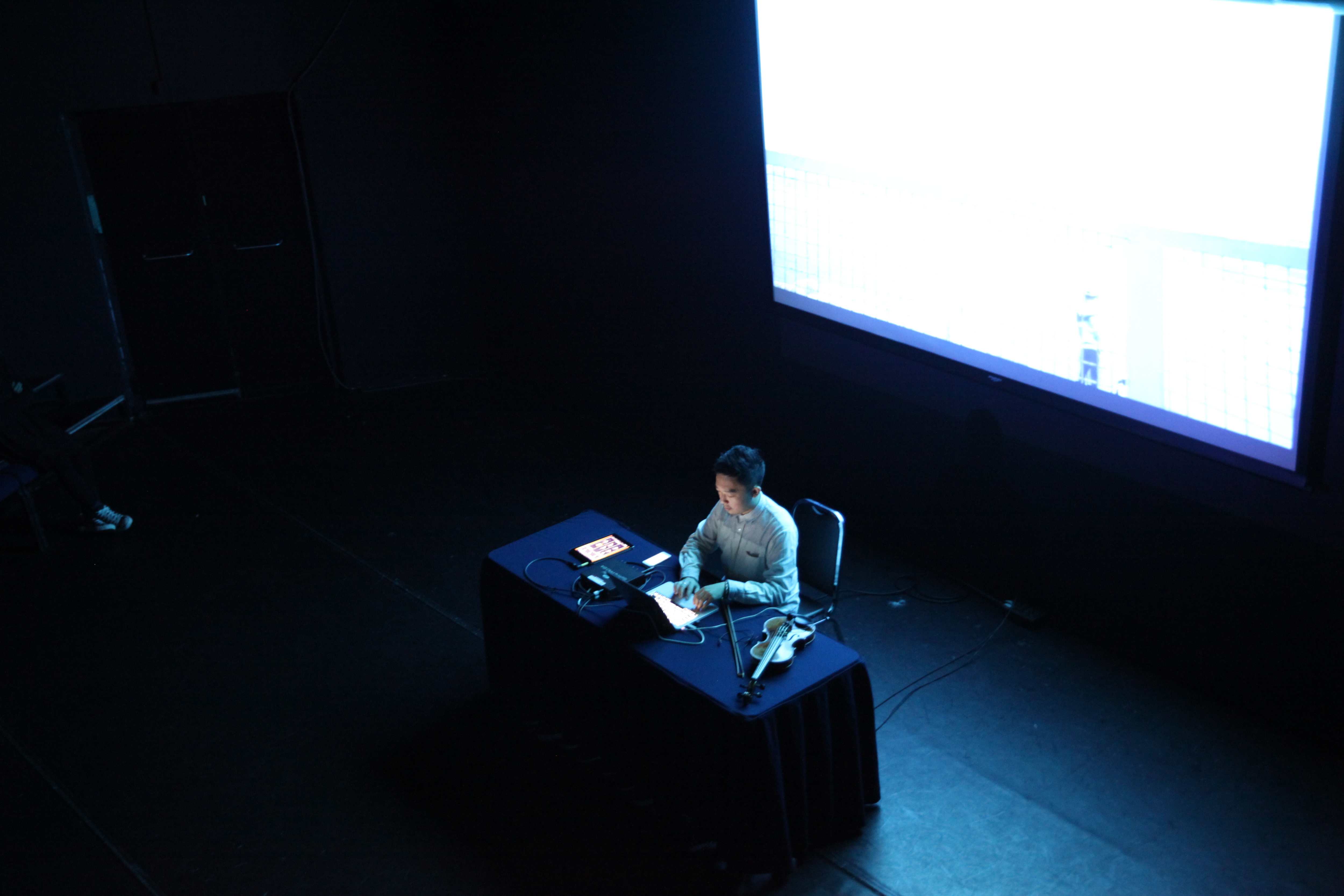
Fieldwork and Housework
April 29, 2014, 8-9pm
McAulay Studio, Hong Kong Arts Centre
Messiah 2.0 (2014) from Alex Yiu on Vimeo.
Single channel video, 720p, colour, stereo sound
2014
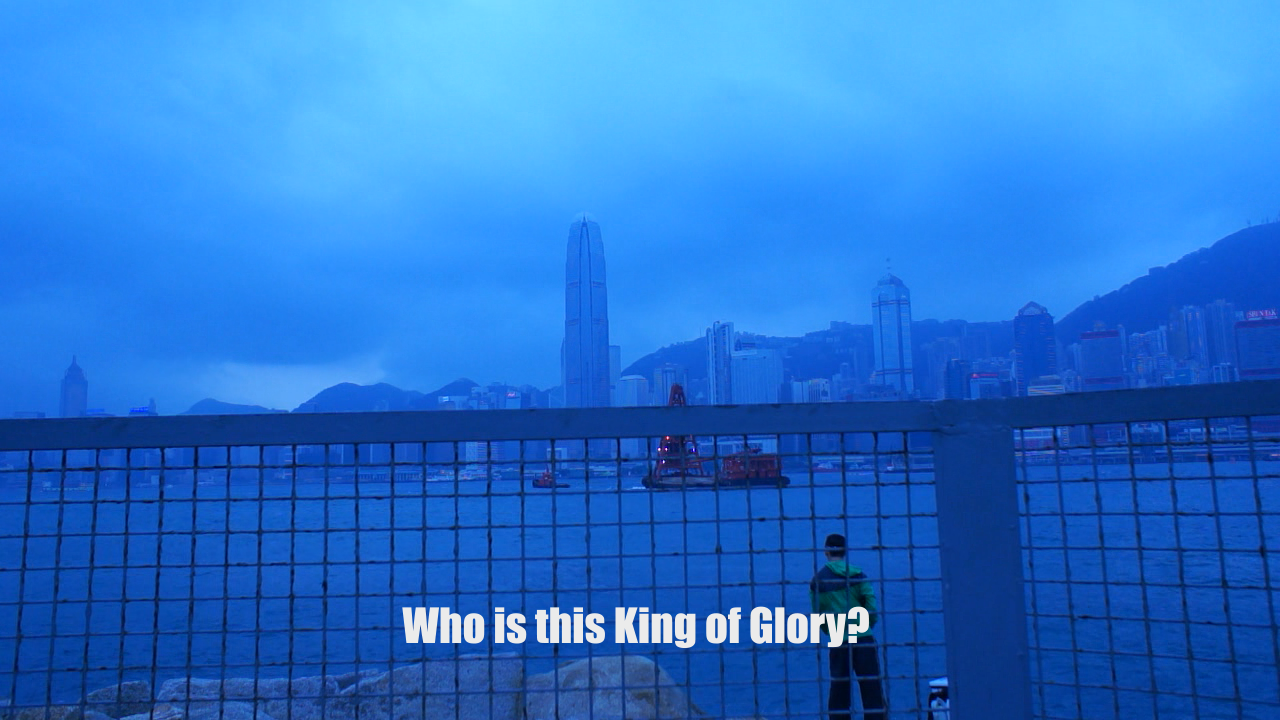
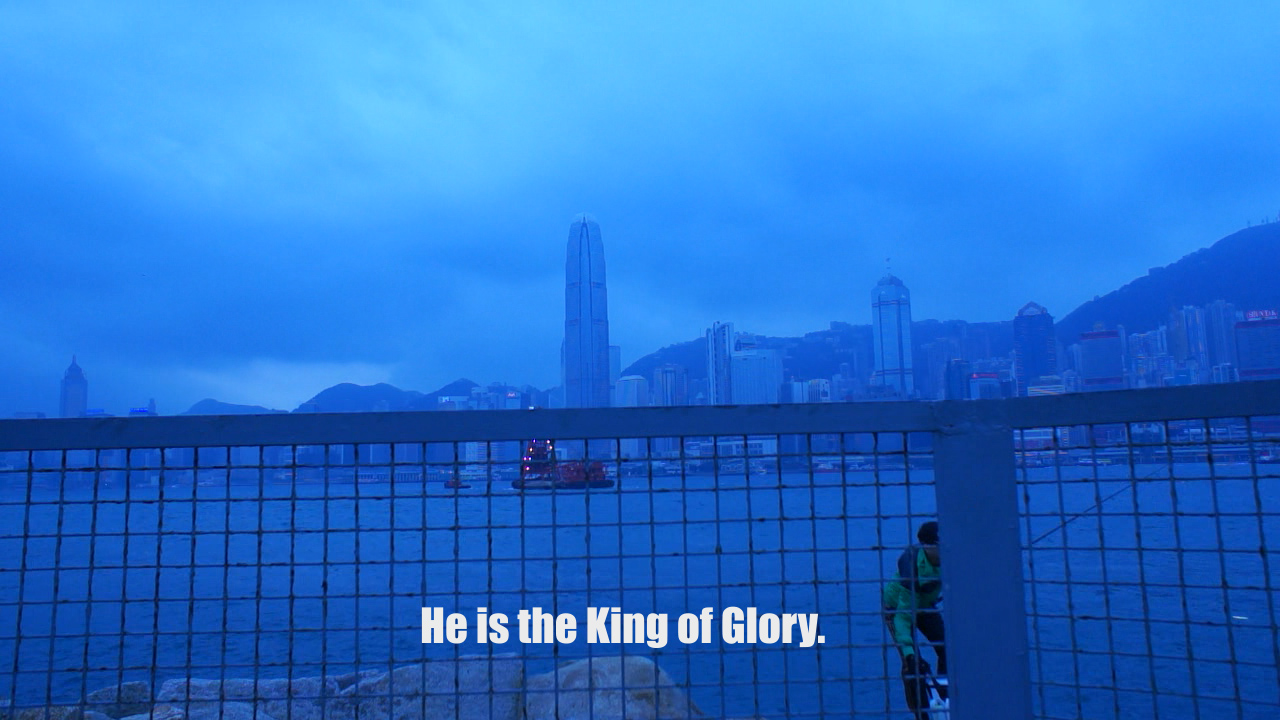
Standing in the yet-developing West Kowloon Cultural District overlooking the bustling Victoria Harbour, I realised the soundscape would soon be overshadowed by future construction. Inspired, I decided to create a soundscape video there. Victoria Habour’s atmosphere is defined by its surrounding skyscrapers and hills, creating a paradox of openness and exclusivity. Surprisingly, the harbour itself offers a rich sonic environment, filled with the rumbling of ship engines, the flapping of helicopter thrusts and the crashing waves against the shore. I chose Handel’s Messiah libretto, written in 1742, as the narrative for this never-happened “resurrection” of this innocent virgin land.
單頻錄像,720p,彩色,立體聲
2014
佇立於尚在發展的西九文化區,俯瞰繁忙的維多利亞港,我意識到眼前的音景很快便會被未來的建設工程所淹沒。受此觸動,我決定在此創作一部音景錄像作品。維港的氛圍由四周的摩天大樓與山巒所界定,形成了一種既開闊又封閉的矛盾感。出乎意料地,海港本身蘊藏著豐富的聲響環境——船隻引擎的轟鳴、直升機旋翼的拍打,以及海浪拍岸的聲音,此起彼落。我選用了韓德爾於 1742 年寫成的《彌賽亞》歌詞,作為這片純真處女地那場從未發生的「復活」之敘事文本。
This piece was featured in the concert "Audio Visual, Handbell and Live Electronics" of Musicarama 2012, on 12th October. It is presented by the Hong Kong Composers' Guild.

Huizi said, 'You are not a fish; how do you know what constitutes the enjoyment of fishes?'
Zhuangzi rejoined, 'You are not me. How do you know that I do not know what constitutes the enjoyment of fishes?' "Zhuangzi, The Floods of Autumn, 13"
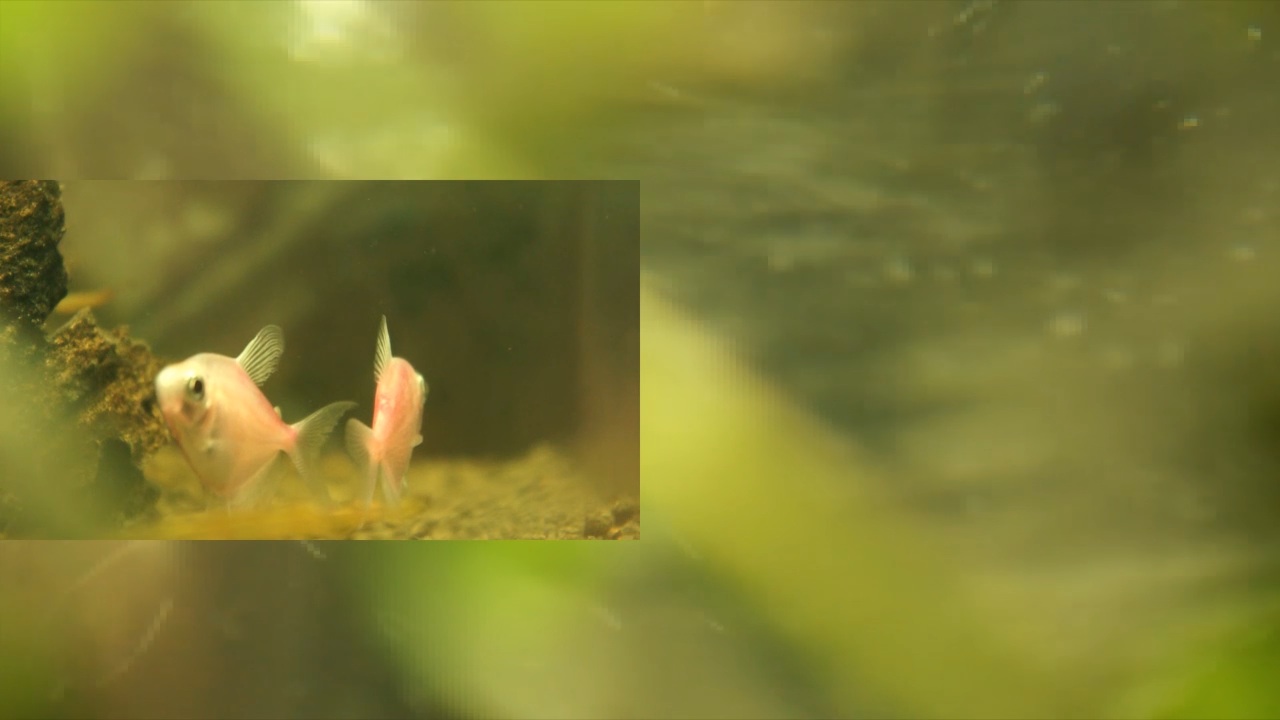
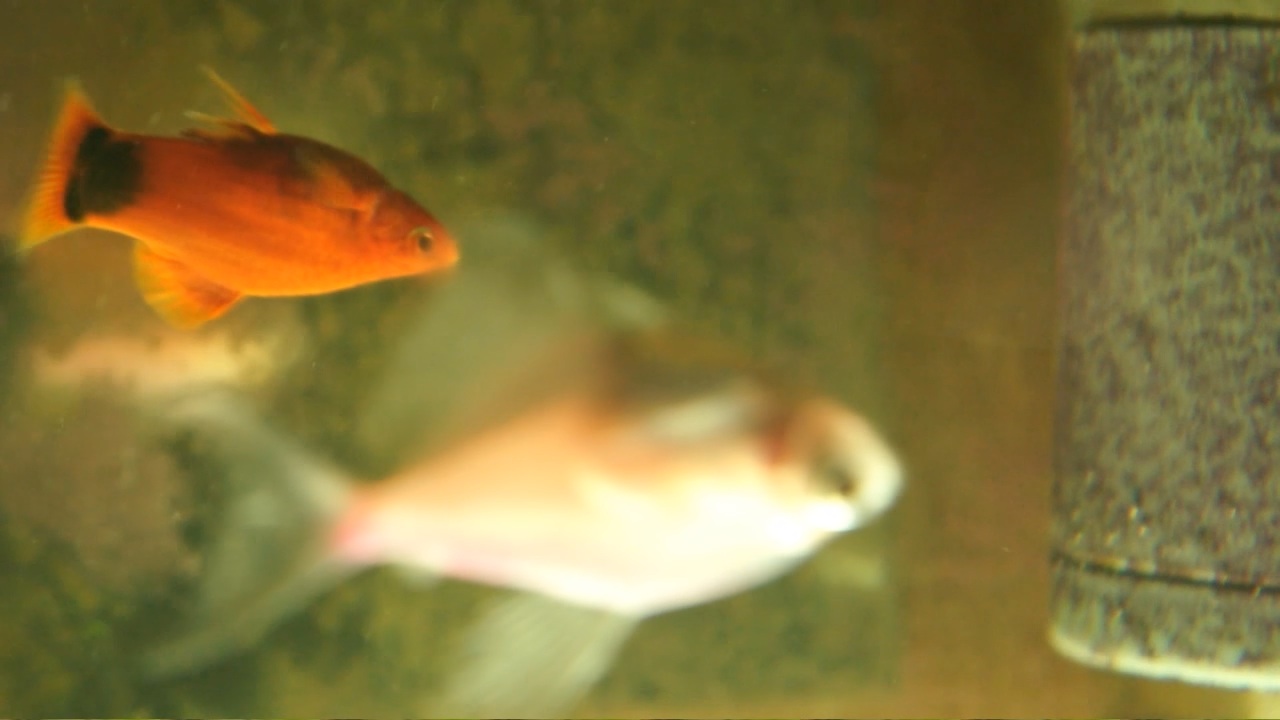
I’m not even sure if the fish were happy. However, watching them swim around really relaxes me and is a form of self-pleasure. It also evokes the feeling of the Chinese Taoist philosopher Zhuangzi (369 BC – 286 BC) towards the fish in the dam over Hao. Initially, I didn’t have philosophical questions in mind; I simply wanted to create the gesture of water using different camera techniques. The title “Aqua” means “water” in Latin. Then I realised the fish’s movements actually outline the water’s gesture – a Taoist concept of “softness”. The music plays a crucial role in enhancing and softening the film’s rhythm.
我不敢斷定魚兒是否快樂。然而,凝視牠們游弋確實令我放鬆,也是一種自得其樂的過程。這不禁讓人聯想到中國道家哲學家莊子(公元前 369 – 286 年)於濠梁之上觀魚的意境。起初,我並未懷抱任何哲學命題,純粹希望透過不同的鏡頭運用,去營造水的姿態。作品題為《Aqua》,即拉丁文中的「水」。隨後我領悟到,魚兒的游動實則勾勒出了水的形態——這正呼應了道家「至柔」的概念。音樂在此擔當了關鍵角色,既昇華亦柔化了影片的節奏。